
Italy has a way of turning a wedding into something much bigger than a single day. Its landscapes, history, food and unmistakable sense of place create the perfect setting for a celebration that becomes part of the journey itself.
Yet choosing to have a destination wedding in Italy is only the beginning. With so many beautiful regions, different styles of venues and possibilities for your celebration, deciding where to start can sometimes feel overwhelming.
This guide is designed to make that first step easier. We will help you understand how to choose the right destination, when to get married, what to consider when planning your budget, and how ceremonies, logistics and guest experiences can shape your wedding in Italy.
You do not need to have every detail decided yet. Whether you are dreaming of a lake, the Mediterranean coast, a historic city or the Italian countryside, the right place often becomes clearer once you know what matters most to you.
Why Choose Italy for Your Destination Wedding?
More than a beautiful setting
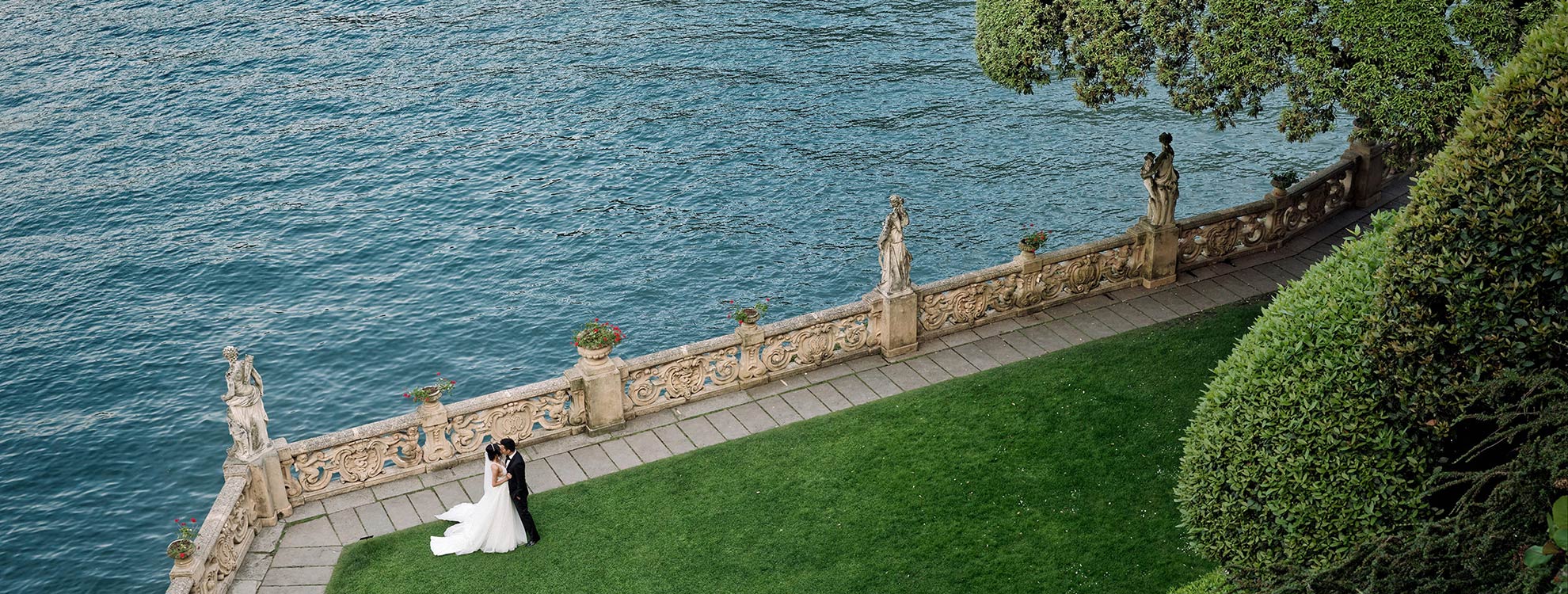
Italy offers something that few wedding destinations can match: an extraordinary variety of experiences within one country. A celebration can take place beside a quiet lake, overlooking the Mediterranean, among vineyards and rolling hills, or in the heart of a historic city.
But choosing Italy is not only about finding a beautiful backdrop. The destination becomes part of the wedding itself. Local food, architecture, traditions and the rhythm of Italian life can shape the atmosphere of the entire celebration.
For couples travelling from abroad, this also creates the opportunity to turn the wedding into a shared experience with family and friends.
Many destination weddings in Italy extend naturally beyond the ceremony and reception. A welcome dinner, a boat trip, a day at the beach, a wine tasting or a relaxed farewell brunch can become some of the most memorable moments of the journey.
Italy also works beautifully for very different styles of celebration. It can be intimate and understated, elegant and formal, relaxed and Mediterranean, or spread over several days with a large group of guests.
That variety is one of its greatest strengths. The real question is therefore not simply “Why get married in Italy?” but “Which part of Italy feels right for the wedding we imagine?”
How to Choose the Right Wedding Destination in Italy
Start with the experience you want to share
Choosing the right location for your destination wedding in Italy can feel like the hardest decision of all. Rather than starting with a list of famous places, it often helps to think first about the experience you want to create and share with your guests. You can also explore our wedding destinations in Italy to discover the different regions and settings our planners work in.
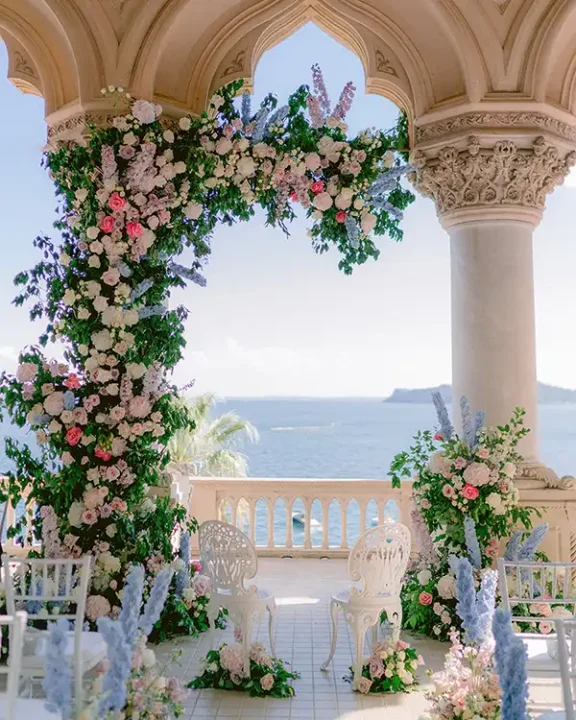
A lakeside wedding can offer elegant villas, gardens and boat journeys between ceremony and reception. The Mediterranean coast brings sea views, terraces and a more relaxed atmosphere, while the countryside offers vineyards, historic estates and celebrations surrounded by nature.
Historic cities provide something different again. Art, architecture and centuries of history become part of the wedding, while restaurants, hotels and cultural experiences are often within easy reach for guests.
Practical considerations matter too. Think about how easily your guests can reach the destination, how many nights they may stay, and whether you would like everyone to remain together or explore independently.
The season and size of your wedding can also influence the choice. A destination that feels perfect for an intimate celebration may work differently for a large group, while some places reveal their best character outside the busiest summer months.
There is no single “best” place to get married in Italy. The right destination is the one that brings together the atmosphere you love and the experience you want your guests to remember.
When Is the Best Time to Get Married in Italy?
Season, weather and the atmosphere you imagine
There is no single perfect season for a wedding in Italy. The best time depends on the destination you choose, the kind of celebration you imagine and the experience you would like your guests to enjoy.
Spring is one of the most appealing seasons. Gardens are in bloom, landscapes are fresh and temperatures are generally pleasant. April and May can be wonderful for lakes, countryside destinations and historic cities, although the weather may still be changeable.
Summer brings long days, outdoor dinners and the unmistakable atmosphere of an Italian evening. It is particularly attractive for seaside weddings, but July and August can be very hot, especially in cities and inland areas.
Early autumn is another beautiful choice. September often combines warm weather with softer light and a more relaxed atmosphere, while vineyards and countryside landscapes begin to take on their autumn character.
The destination matters as much as the month. A lakeside venue in Northern Italy, a Tuscan estate and a terrace overlooking the Mediterranean can experience the same season very differently. Local climate should always be part of the decision.
Rather than looking for the “best” month in absolute terms, choose the period that works naturally with your destination. The right season should enhance the setting, not make you fight against it.
How Much Does a Destination Wedding in Italy Cost?
Understanding what really shapes your wedding budget
The cost of a destination wedding in Italy can vary considerably. There is no standard figure, because the final budget depends on the destination, the venue, the number of guests and, above all, the kind of experience you want to create.
Some destinations and venues naturally command higher prices, while others offer greater flexibility. The season and day of the week can also make a difference, particularly in the most sought-after locations and during peak wedding months.
Guest numbers are another important factor, but not every cost increases in the same way. Catering and transportation are closely connected to the size of the group, while photography, music or some elements of the ceremony may remain relatively stable.
It is therefore more useful to begin with priorities than with a long list of services. Decide what matters most to you: an exceptional venue, a memorable dinner, beautiful floral design, entertainment, photography or perhaps several days of experiences with your guests.
A well-planned budget should also consider what happens around the wedding day. Welcome events, transfers, accommodation arrangements and farewell gatherings can become part of the overall experience and should be considered from the beginning.
The goal is not simply to spend less, but to invest your budget where it makes the greatest difference. A local wedding planner can help you understand realistic costs, compare options and create the right balance between your expectations and your available budget.
Civil, Religious or Symbolic Ceremony in Italy?
Choose the ceremony that feels right for you
One of the first decisions to make is what kind of ceremony you would like to have in Italy. A civil wedding has legal validity and is usually celebrated in a town hall or in another venue officially authorised for civil ceremonies.
A religious wedding follows the requirements of the chosen faith and place of worship. Catholic weddings, for example, may involve both religious and administrative procedures that should be considered well in advance, especially when the couple lives abroad.
A symbolic ceremony offers the greatest freedom. It has no legal validity, but it can take place in many beautiful settings and can be personalised around the couple, their story and the atmosphere they want to create.
The right choice depends on what matters most to you. Some couples want their legal marriage and Italian celebration to be one and the same. Others complete the legal formalities at home and choose a symbolic ceremony in Italy, giving themselves more flexibility over the location and format.
The venue can also influence the decision. Not every beautiful villa, garden, beach or terrace is authorised for a legally valid civil wedding, while religious ceremonies are naturally connected to the rules of the individual church or place of worship.
For international couples, it is wise to consider these choices early in the planning process. Understanding the type of ceremony you want will help determine the venues, documents and practical steps that come next.
What Documents Do You Need to Get Married in Italy?
Legal requirements depend on your individual situation
If you are planning a legally valid wedding in Italy, the documents you need will depend on your nationality, country of residence and personal circumstances. There is no single procedure that applies in exactly the same way to every international couple.
Civil weddings generally require documents confirming your identity and your legal capacity to marry. Depending on your nationality, additional declarations, translations, legalisations or appointments with the relevant authorities may also be necessary.
Religious weddings can involve a different process. A Catholic ceremony, for example, normally requires religious documents as well as the civil paperwork needed for the marriage to be legally recognised.
For this reason, paperwork should be checked specifically for each couple and well before the wedding date. For official information, couples can also consult the Italian Ministry of Foreign Affairs guidance on marriage requirements. Requirements can change, and documents issued abroad may need to follow particular procedures before they are accepted by the Italian authorities.
A symbolic ceremony is much simpler from this point of view because it has no legal effect. Couples who prefer this option can complete their legal marriage in their home country and celebrate their wedding in Italy without Italian marriage paperwork.
The important thing is not to be intimidated by the process. With the right preparation and local assistance, the necessary steps can be identified and organised in the correct order, leaving you free to concentrate on the celebration itself.
How to Choose the Right Wedding Venue in Italy
Beauty matters, but so do comfort, logistics and flexibility
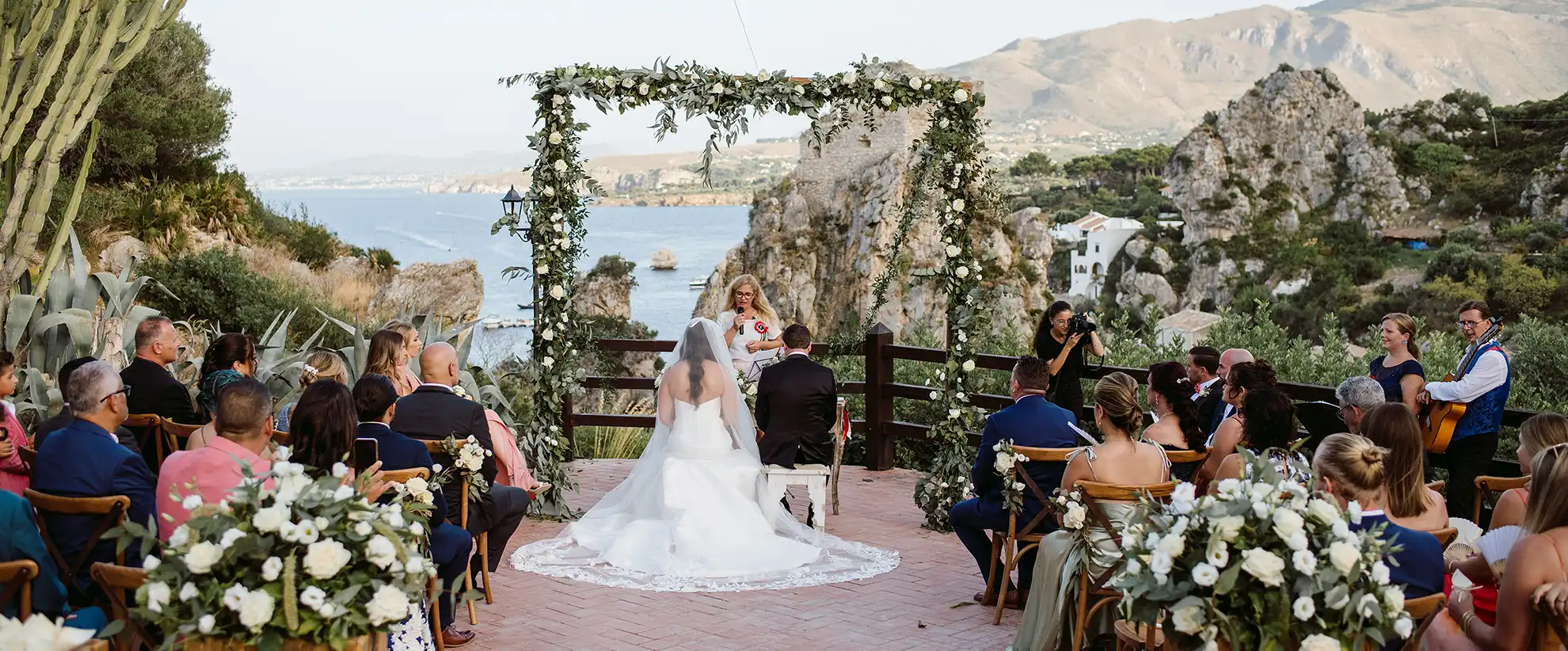
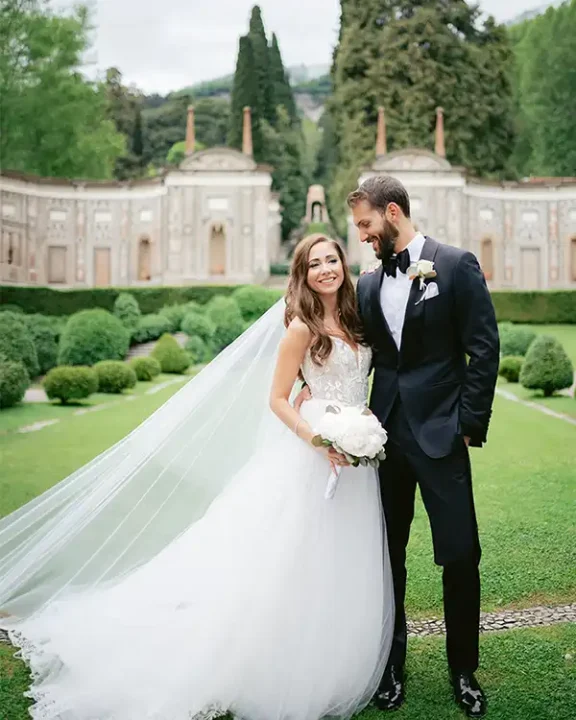
Once you have chosen your destination, finding the right venue becomes one of the most exciting parts of planning. Italy offers an extraordinary variety, from historic villas and elegant hotels to castles, country estates, seaside terraces and intimate gardens.
The first consideration is naturally how the venue makes you feel, but beauty alone is not enough. Think about the number of guests, the spaces available for each part of the celebration and whether the atmosphere reflects the style of wedding you imagine.
It is also important to understand how the venue works throughout the day. Ceremony, aperitif, dinner and dancing may require different spaces, and a good venue should allow the celebration to flow naturally from one moment to the next.
Always consider the practical side as well. Accessibility, nearby accommodation, transfers and restrictions on music or event timings can have a significant impact on both planning and the experience of your guests.
And then there is one essential question: what happens if the weather changes? A beautiful outdoor setting should have a convincing alternative. A good Plan B should feel like another beautiful option, not simply an emergency solution.
The right venue brings all these elements together. It should capture what you love about your chosen part of Italy while also providing the spaces, services and flexibility your celebration needs to work beautifully from beginning to end.
Travel and Accommodation for Your Wedding in Italy
Make the journey part of the wedding experience
A destination wedding begins long before the ceremony, especially for guests travelling from abroad. Once you have chosen the destination and venue, consider how easily everyone can reach the area and how they will move around during their stay.
Nearby airports and railway connections can make a significant difference, but the final part of the journey matters too. Some of Italy’s most beautiful wedding locations are intentionally away from major transport hubs, so private transfers or organised transportation may be worth considering.
Accommodation should also be planned early. Depending on the destination, guests might stay together in one hotel or be distributed among several properties, villas and smaller hotels within the same area.
Keeping guests reasonably close to one another makes transportation easier and helps create the feeling of a shared celebration. However, different budgets and travel preferences should also be considered when suggesting places to stay.
Clear communication is just as important as the arrangements themselves. Guests should know where to stay, how to reach the destination and whether transportation will be provided for the wedding or other planned events.
When these practical details are organised well, they become almost invisible. Guests can simply enjoy Italy, spend time together and experience the wedding as part of a memorable journey rather than a complicated trip.
Make Your Wedding More Than One Day
More time together, more memories to take home
One of the greatest pleasures of a destination wedding in Italy is having more time with the people who have travelled to celebrate with you. Instead of concentrating everything into a single day, the wedding can become part of a longer shared experience.
A welcome dinner is often the perfect beginning. It gives guests time to meet, relax after their journey and enjoy their first evening in Italy without the formality and excitement of the wedding day itself.
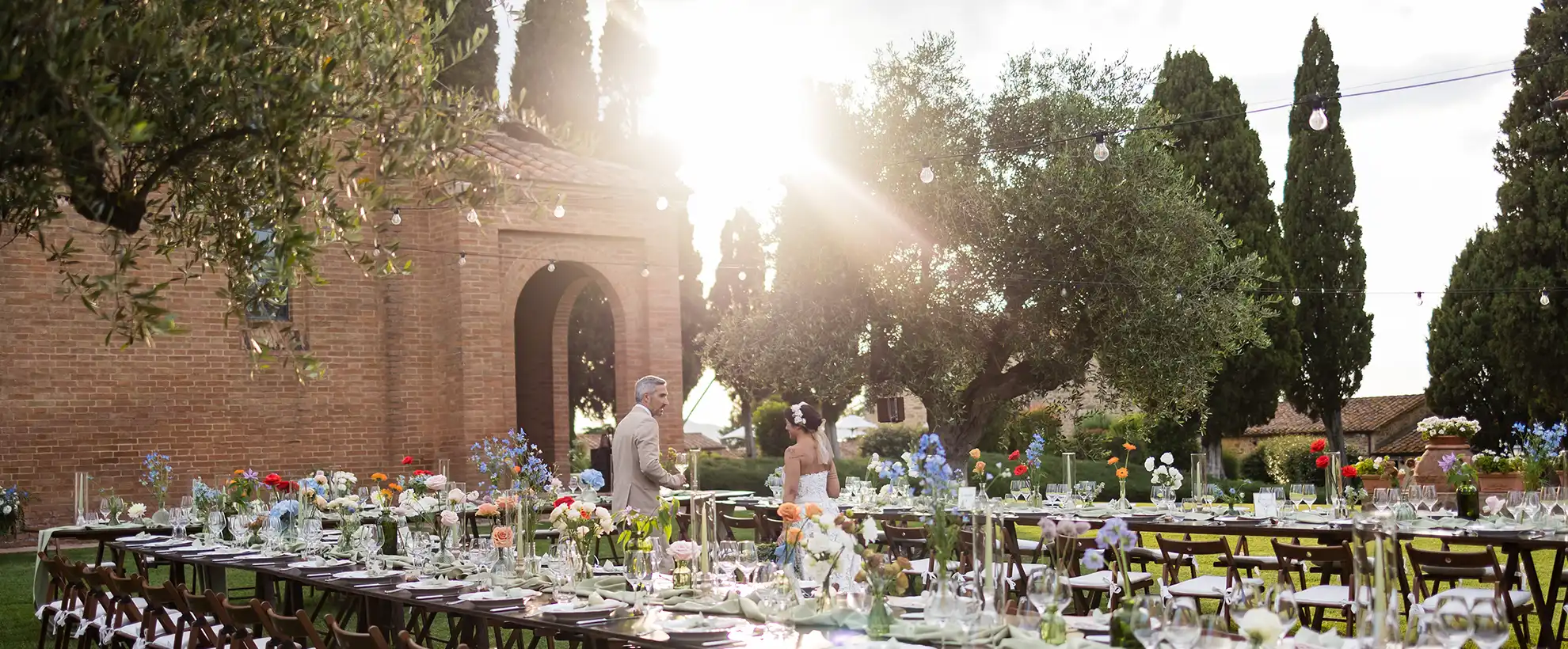
The following days can include experiences connected to the destination. A boat trip on an Italian lake, a wine tasting in the countryside or a relaxed day by the sea can help guests discover the place you have chosen together.
Not every moment needs to be organised. Leaving guests some free time to explore, rest or simply enjoy being in Italy can be just as valuable as planning another event.
After the wedding, a farewell brunch or informal gathering offers one last opportunity to spend time together before everyone begins the journey home. It can also provide a relaxed ending after the emotions and celebrations of the previous day.
The aim is not to fill every hour of the itinerary. A memorable multi-day wedding finds the right balance between celebration, discovery and time to simply enjoy being together.
When Should You Start Planning Your Wedding in Italy?
Give yourself time to choose, plan and enjoy the process
When planning a destination wedding in Italy, starting early gives you more choice and makes the process much easier. Popular venues and experienced wedding professionals can be booked well in advance, particularly for weekends during the busiest months.
Around twelve to eighteen months can be a comfortable planning period for many weddings. However, this is not a rule. A large celebration in a highly requested destination may benefit from even more time, while a smaller or more flexible wedding can often be organised much faster.
The venue is usually one of the first major decisions. Once the date and location are confirmed, the other elements of the wedding can begin to take shape around them.
Planning ahead is particularly helpful when guests are travelling internationally. They may need time to arrange flights, accommodation, holidays from work and perhaps a longer trip around Italy before or after the wedding.
Legal or religious requirements should also be considered early when they apply. Some documents have specific procedures or validity periods, so the right timing is not simply a matter of preparing everything as soon as possible.
Starting early should not mean spending eighteen months worrying about the wedding. A good planning timeline spreads decisions naturally over time, allowing you to enjoy the process while keeping the important deadlines under control.
Do You Need a Wedding Planner in Italy?
Local knowledge can make planning from abroad much easier
It is certainly possible to organise some aspects of a destination wedding in Italy independently. However, planning from another country can become more complex once venues, suppliers, contracts, logistics and local procedures all need to work together.
A wedding planner based in Italy can provide something that is difficult to replace from a distance: local knowledge. Understanding how a destination works, which professionals are reliable and what practical challenges a venue may present can save considerable time during the planning process.
Language can also play a role. Many Italian wedding professionals work comfortably with international couples, but having someone who can communicate locally and coordinate everyone involved helps avoid misunderstandings.
The planner’s role becomes even more valuable as the wedding approaches. Timelines, deliveries, transportation, ceremony arrangements and suppliers all need to come together, while the couple should be able to concentrate on enjoying their time in Italy.
Good planning is not about taking decisions away from you. It is about presenting realistic options, anticipating problems and turning your choices into a celebration that works smoothly in the real world.
This is the approach behind Italian Wedding Company. Our wedding planners in Italy work across different regions, combining local experience with the coordination needed for an international wedding. You bring the vision; the right team helps make it possible.
Your Wedding in Italy Starts with the Right Choices
Plan carefully, then make it completely yours
Planning a destination wedding involves many decisions, but they do not all need to be made at once. Start with the choices that shape everything else: the destination, the season, the type of ceremony, the venue and the experience you want to share with your guests.
From there, the details can develop naturally. Flowers, music, food, photography and entertainment should not simply follow trends. They should feel connected to the setting you have chosen and, above all, to the two of you.
Italy provides the backdrop, but your personalities and priorities are what turn a beautiful location into your wedding.
The most memorable celebrations often feel effortless because every element belongs together. Guests may remember the view, the dinner or the music, but they will also remember how the wedding made them feel and the time they spent together.
That is why good planning should ultimately become almost invisible. Once the wedding begins, schedules, logistics and months of preparation should give way to the experience itself.
Choose the Italy that feels right for you, surround yourself with people you trust, and create a celebration that could belong to no one else.
Destination Wedding in Italy FAQs
Quick answers to some of the questions couples ask us most often
Where is the best place to get married in Italy?
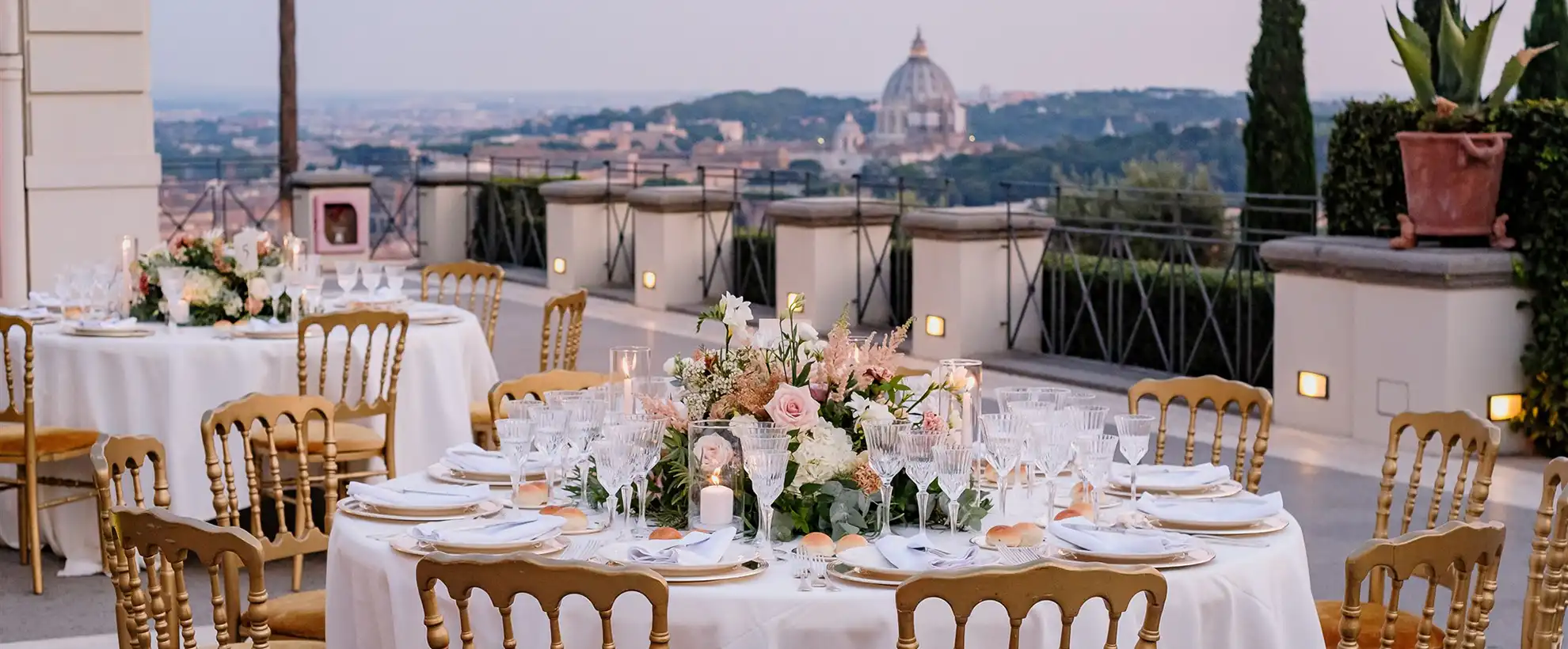
There is no single best destination for every couple. Italian lakes offer elegant villas and romantic scenery, the coast brings Mediterranean atmosphere and sea views, while the countryside is ideal for vineyards, historic estates and celebrations surrounded by nature. Cities such as Venice, Florence and Rome combine weddings with art, architecture and history. The right choice depends on your style, guest numbers, season, budget and the experience you want to create.
How much does a destination wedding in Italy cost?
Costs vary considerably depending on the destination, venue, number of guests, season and level of services. Catering and transportation are closely linked to guest numbers, while venue hire, flowers, entertainment and additional events can significantly influence the overall budget. Rather than starting from an average figure, it is more useful to establish your priorities and build a realistic budget around the celebration you actually want.
Can foreigners legally get married in Italy?
Costs vary considerably depending on the destination, venue, number of guests, season and level of services. Catering and transportation are closely linked to guest numbers, while venue hire, flowers, entertainment and additional events can significantly influence the overall budget. Rather than starting from an average figure, it is more useful to establish your priorities and build a realistic budget around the celebration you actually want.
What documents do we need to get married in Italy?
There is no single list that applies to every international couple. Documents depend on nationality, residence and personal circumstances and may include certificates, declarations, translations or legalisations. Some documents also have specific validity periods. It is therefore important to verify the exact requirements for your situation before beginning the paperwork.
Can we have a Catholic wedding in Italy?
Yes, international couples can have a Catholic wedding in Italy, provided they meet the religious and administrative requirements. The necessary paperwork and preparation can vary according to the couple’s circumstances and the parish or diocese involved. It is advisable to begin the process well in advance and coordinate with both your home parish and the church in Italy.
Can we have a symbolic ceremony anywhere in Italy?
Symbolic ceremonies offer much greater flexibility because they have no legal validity. They can often be held in gardens, villas, terraces, countryside estates and other beautiful settings where a civil ceremony may not be authorised. However, the venue owner’s rules, local restrictions and practical requirements still apply, so not every location is automatically available for a ceremony.
How far in advance should we plan our wedding in Italy?
For many destination weddings, twelve to eighteen months provides a comfortable planning period. Highly requested venues and popular dates may require more time, while intimate or flexible celebrations can often be organised faster. Starting early is particularly helpful when many guests will be travelling internationally.
What is the best month for a wedding in Italy?
There is no universally perfect month because Italy’s climate varies considerably from north to south and between lakes, countryside, cities and coastal areas. Spring and early autumn are particularly appealing in many regions, while summer offers long days but can bring intense heat. The best period should always be considered together with the destination you have chosen.
Should we arrange accommodation and transportation for our guests?
You do not necessarily need to pay for your guests’ accommodation or travel, but helping them understand the available options makes a destination wedding much easier to attend. Providing accommodation suggestions and clear information about airports, trains and local transfers is very useful. When venues are difficult to reach or events take place in different locations, organised transportation can greatly improve the guest experience.
Do we need a wedding planner in Italy?
A wedding planner is not a legal requirement, but local assistance can be extremely valuable when planning from abroad. A planner can help with venues, trusted suppliers, contracts, logistics, timelines and communication with local professionals. Most importantly, good coordination allows you to make the decisions while someone in Italy takes care of turning them into a celebration that works smoothly.
Ready to Start Planning Your Wedding in Italy?
Your Italian wedding journey can begin with a simple conversation.
Even if you have not chosen your destination or venue yet, tell us what you are imagining: your guests, the season, the atmosphere you love and what matters most to you.
Our Italian Wedding Company planners can help you turn those first ideas into a clear plan and find the part of Italy that feels right for your celebration.